

Recruiting & HR Tech
How staffing agencies use AI recruiter tools without replacing their ATS
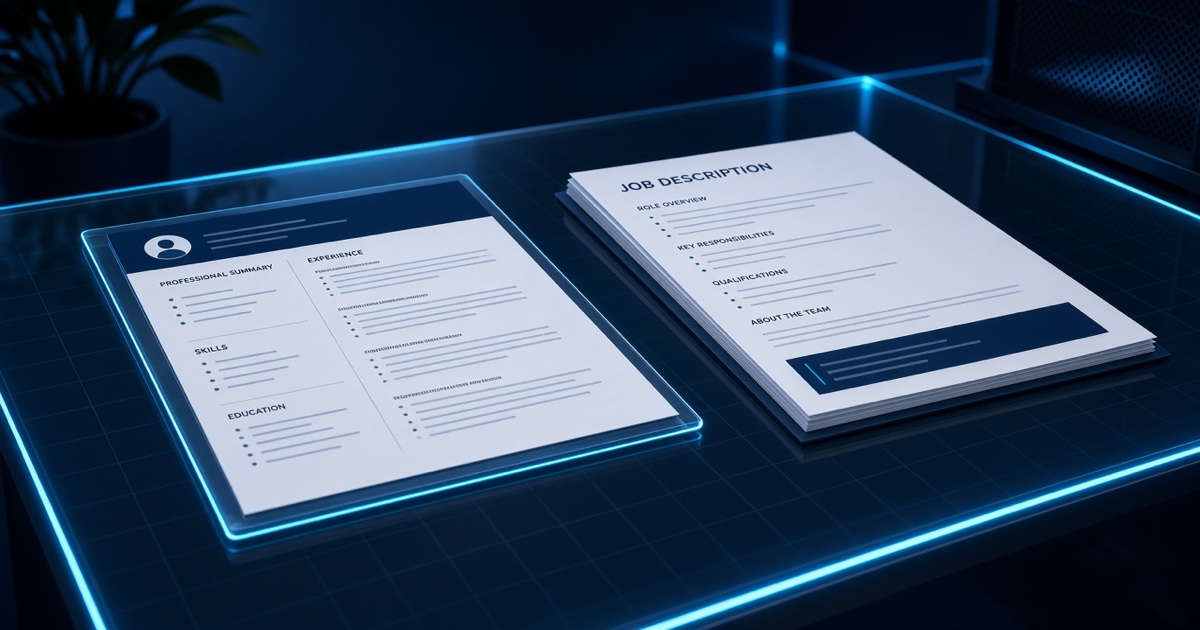
Staffing desks already have an ATS. What they do not have is a clean way to turn a messy PDF into the client’s Word template, or a JD into a Boolean string, without another database to clean.
Toolkit, not a second pipeline
Enorexa Recruiter is built for one sitting: upload or paste, process, copy or download. It does not replace Bullhorn, JobDiva, or Greenhouse. It does the work those systems do not do well — client-template formatting with identical wording, JD analysis, match scores, and Google X-Ray.
A desk order that holds up
Read the JD. Build the search. Parse the resume. Match before you format. Write a 30-second note. Submit the DOCX the VMS already expects. The recruiter product is the toolkit for that order. The ATS stays the record.
When to stay on the free plan
Starter is enough to try a format and a match. Upgrade when credits, seats, or agency branding become the constraint — not because a popup said “unlock AI.”
If you run a US IT desk and want the loop without standing up another CRM, start on recruiter.enorexa.com or read the product page.
Related Engineering & AI Articles
AI
LLM Fine-Tuning vs. RAG: When to Pay for Training, When to Prompt
Choosing between LLM fine-tuning and Retrieval Augmented Generation (RAG) is a critical cost and accuracy decision. Most teams default to RAG, but that's not always the cheapest or most performant path for specialized tasks.
November 16, 2026
Engineering
Why Serverless WebSockets Drop AI Agent Connections (And How to Fix It)
Serverless functions like Next.js API routes promise infinite scale, but their ephemeral nature and connection limits silently kill long-lived WebSocket connections crucial for real-time AI agents. We've seen this manifest as dropped user sessions and incomplete agent responses.
November 15, 2026
Engineering
Why Next.js API Routes Still Cold Start (Even on the Edge)
Most teams building on Next.js assume Edge Functions solve cold starts. They don't, not entirely. We've seen critical API routes still hit 500ms+ latency spikes, even when deployed globally.
November 14, 2026